For the video component of the Environmental Equity Project, I chose to focus on a story I previously covered as a journlist.
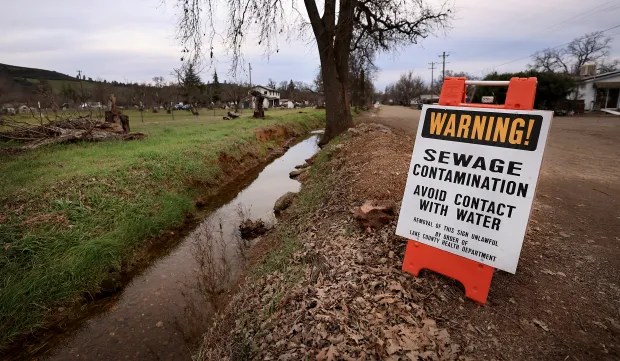
In January 2026, a major sewer main line failed on Robin Lane in Clearlake, California, sending 2.5 million gallons of untreated sewage through a residential neighborhoods and raising concerns about contamination of the groundwater used by residents with private wells. My reporting revealed how infrastructure failures are symptoms of larger environmental justice issues.
Story Board
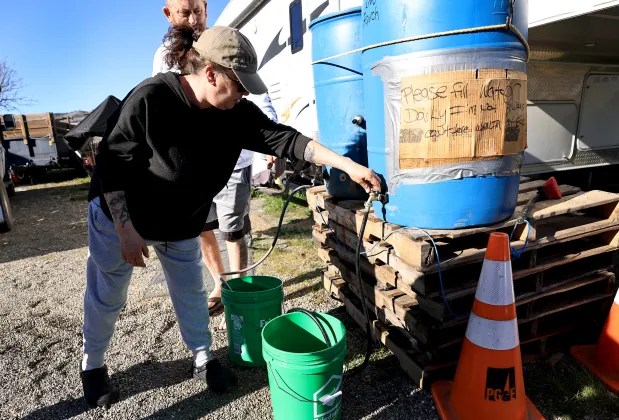
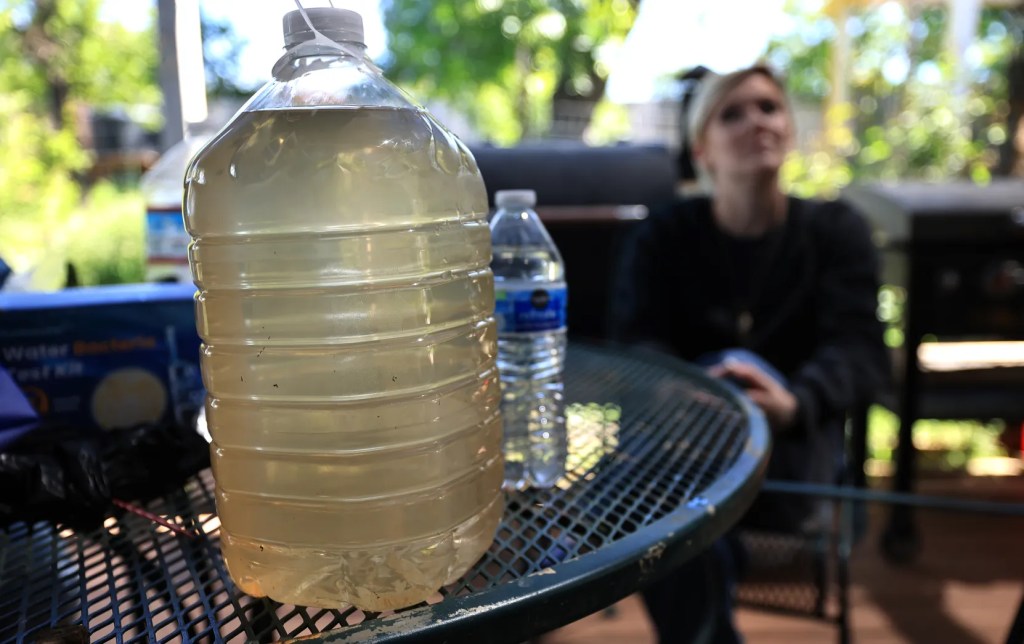
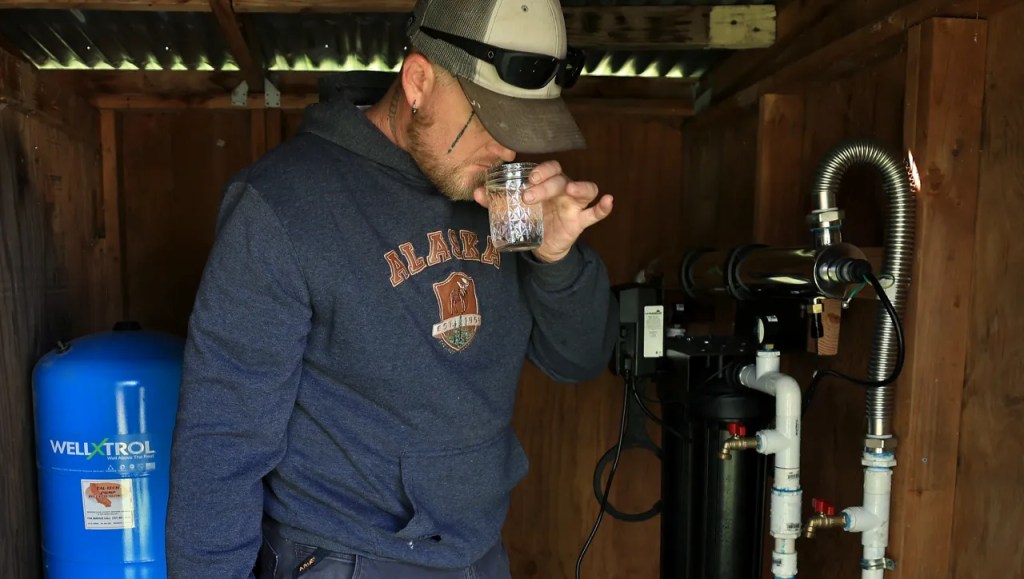
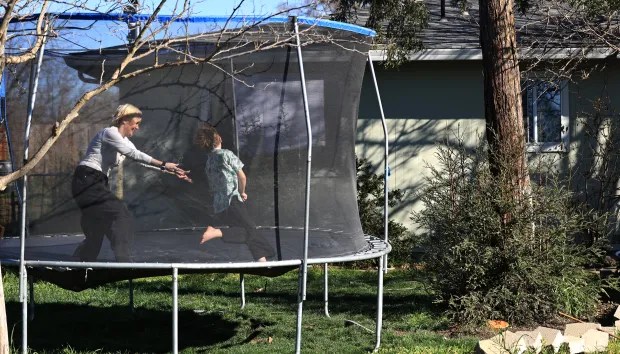
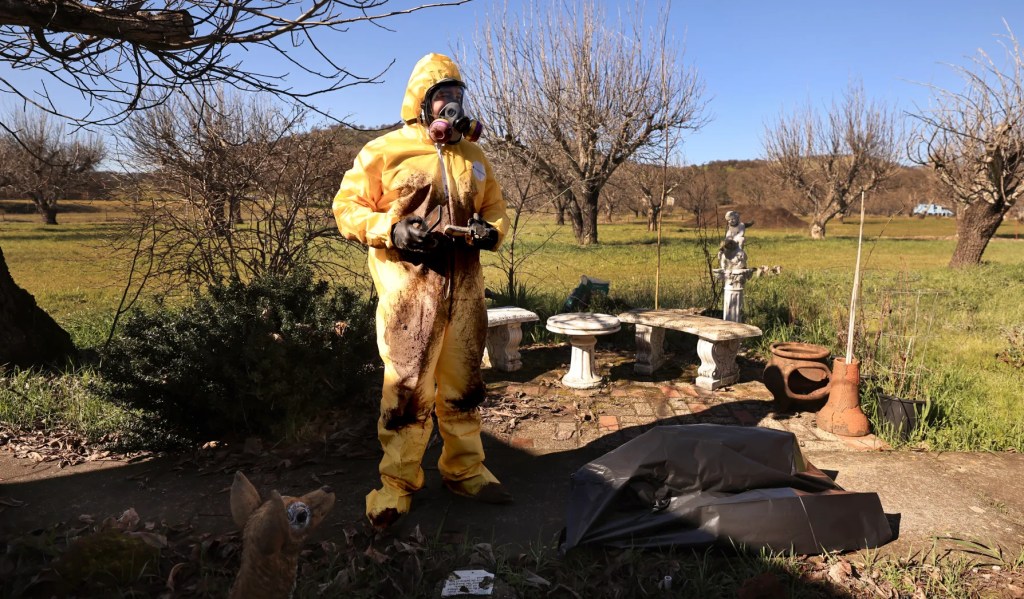
The video begins with drone footage of the sewage flowing through the Robin Lane neighborhood (courtesy of the City of Clearlake) while I introduce the idea that environmental disasters do not always take the form of wildfires, hurricanes, and flooding. Sometimes, I explain, they begin with infrastructure that has been neglected until it fails. Then I transition into videos of the spill cleanup from my reporting trip to Clearlake. Throughout the story, I use still images from my reporting trips across several months before ending with a continuation of the drone footage. During that final section, which makes the story come full circle, I discuss that access to safe water and reliable infrastructure is an environmnetal justice issue and it should not depend on where someone lives.
Reporting and Storytelling
My experience reporting in Clearlake was the primary inspiration for this video project. As a journalist, I strive to tell environmnetal issues through the lens of the people experiencing them. Residents I encountered were dealing with the consequences of infrastructure failures and government neglect firsthand.
That experience shaped the central argument of my video: infrastructure is an environmental equity issue. Lower-income communities can be less financially equipped to absorb thousands of dollars in unexpected costs, while rural communities may have fewer resources and receive less sustained media coverage than larger population places. When governments defer critical maintenance, limited visibility and oversight can also make accountability more difficult.
Filming and Editing
I created the video using Adobe Premiere Pro, combining original material from my reporting with the city’s publicly available drone footage. I used Premiere to sequence the footage and record a documentary-style voiceover, adjust audio levels, and create transitions, headings and text.
Rather than using dramatic effects, I opted for the photos and video footage to stay silent with some music during the introduction and outro. My own reporting materials anchor this piece in the community itself.
This project uses one neighborhood in Clearlake to illustrate a broader question of environmental equity: Who bears the consequences when essential infrastructure is allowed to fail, and which communities receive the attention and investment necessary to prevent that failure in the first place.
 EnvironmentalEquityProject
Leave a comment