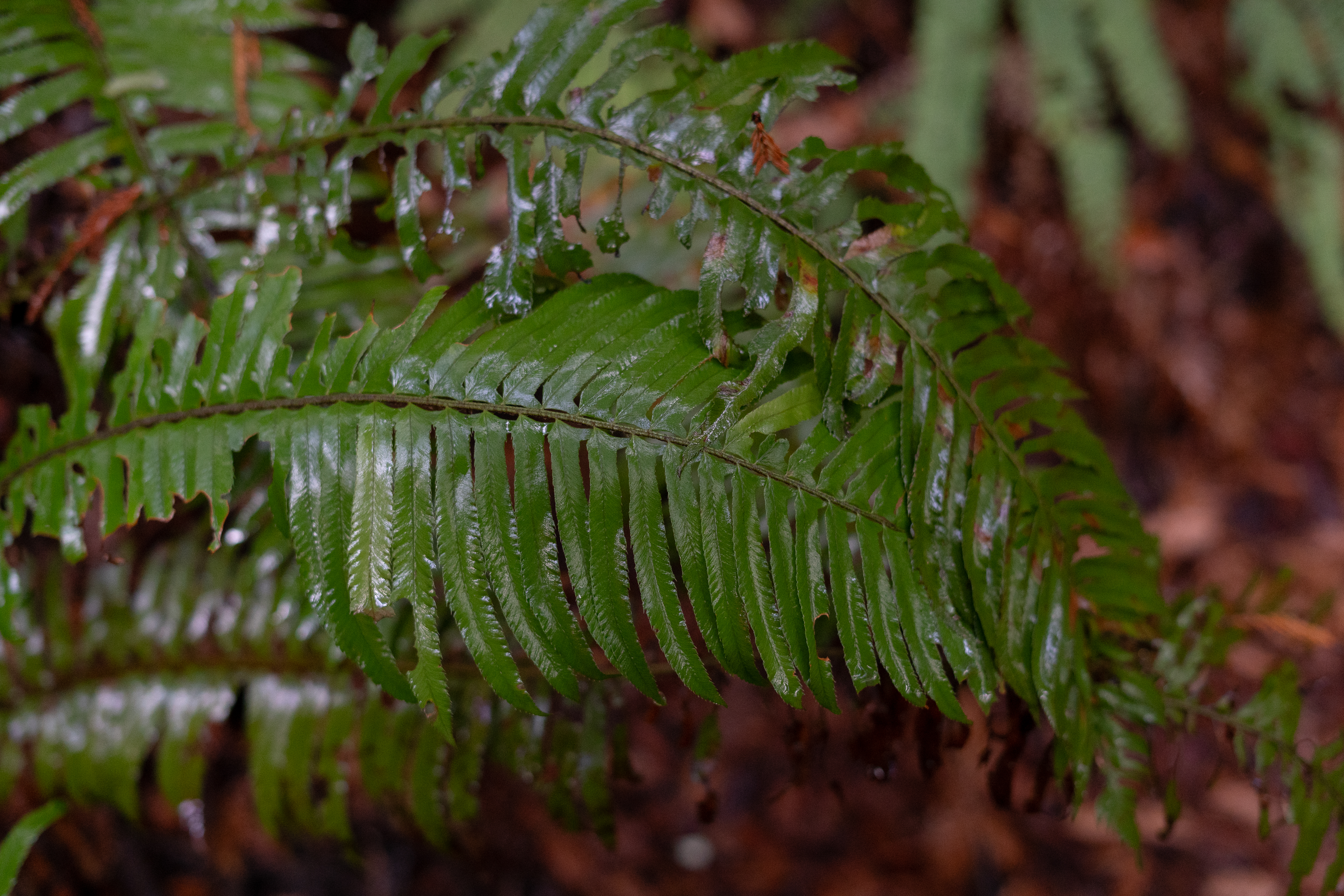
A fern in Redwood National Park, Humboldt County, CA 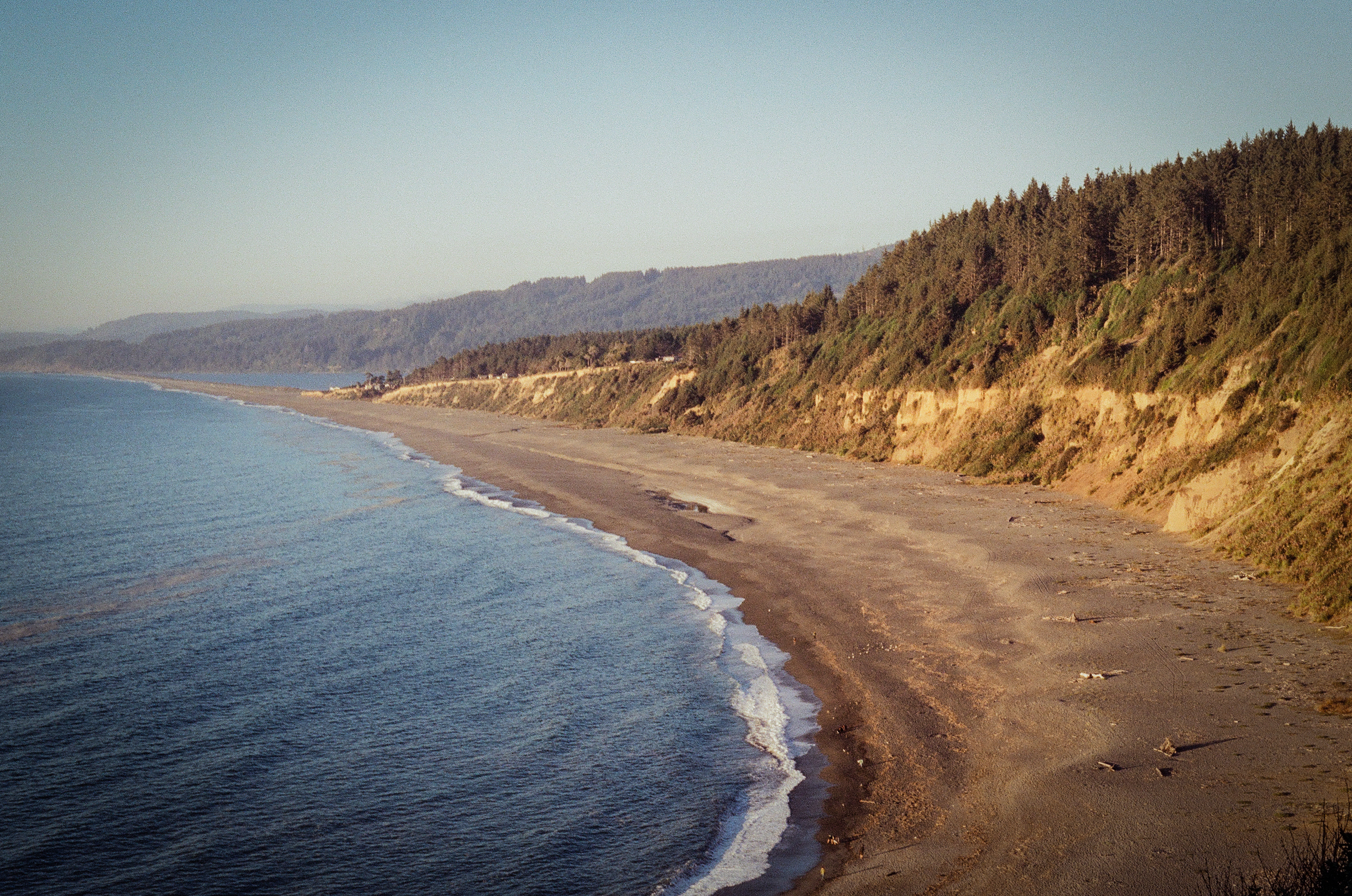
Agate Beach in Humboldt County, CA 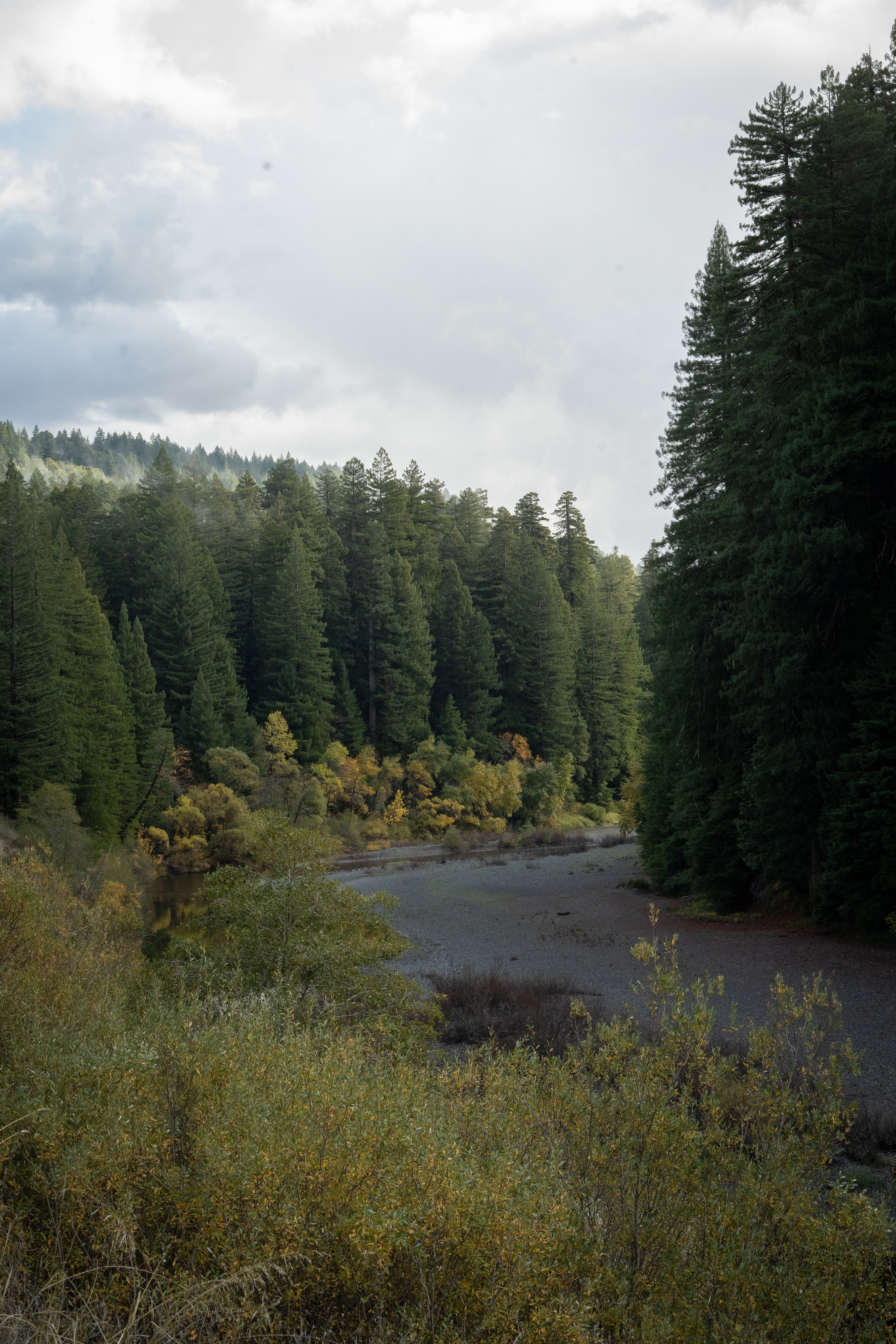
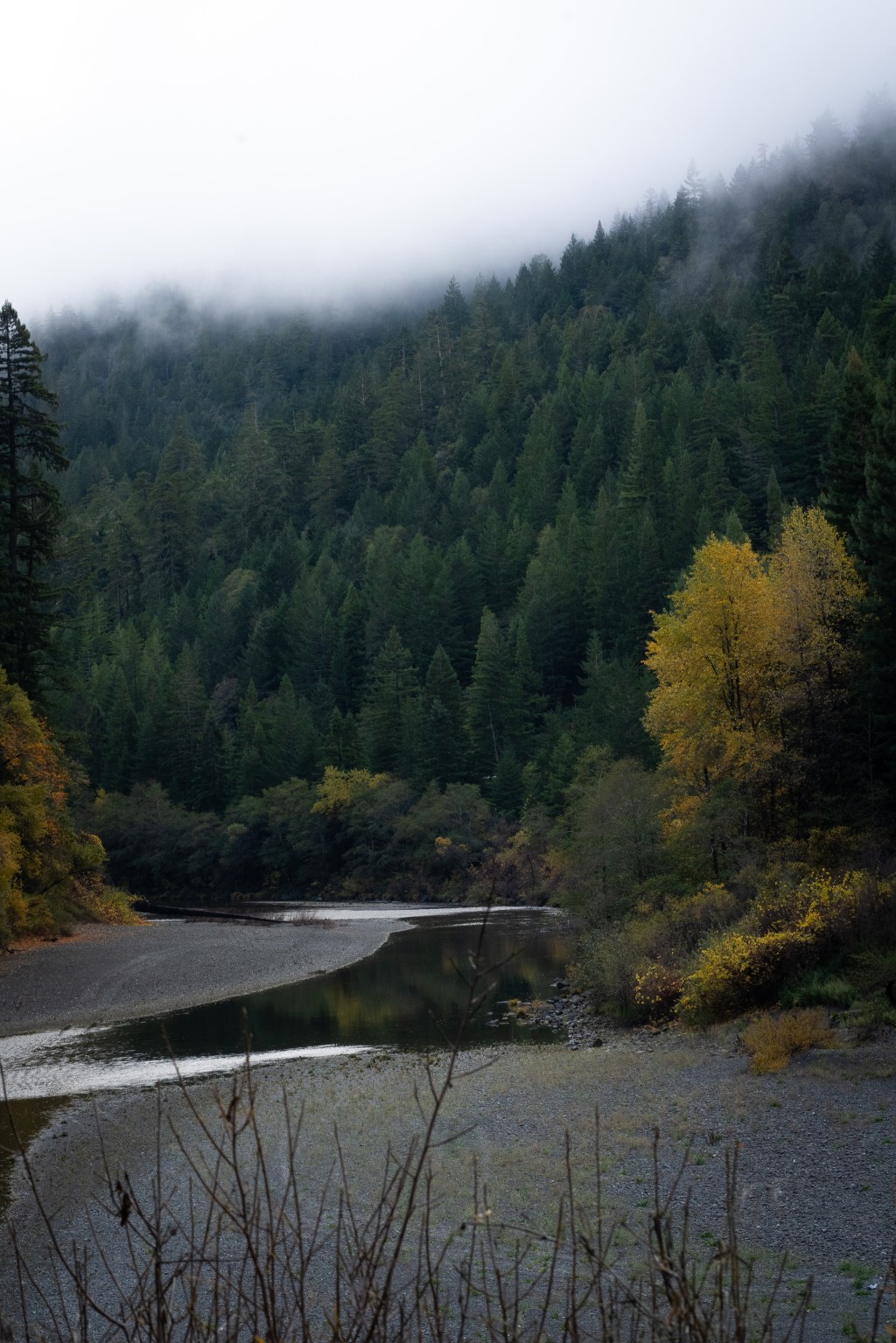
The Eel River winds alongside Avenue of the Giants in Humboldt County, CA 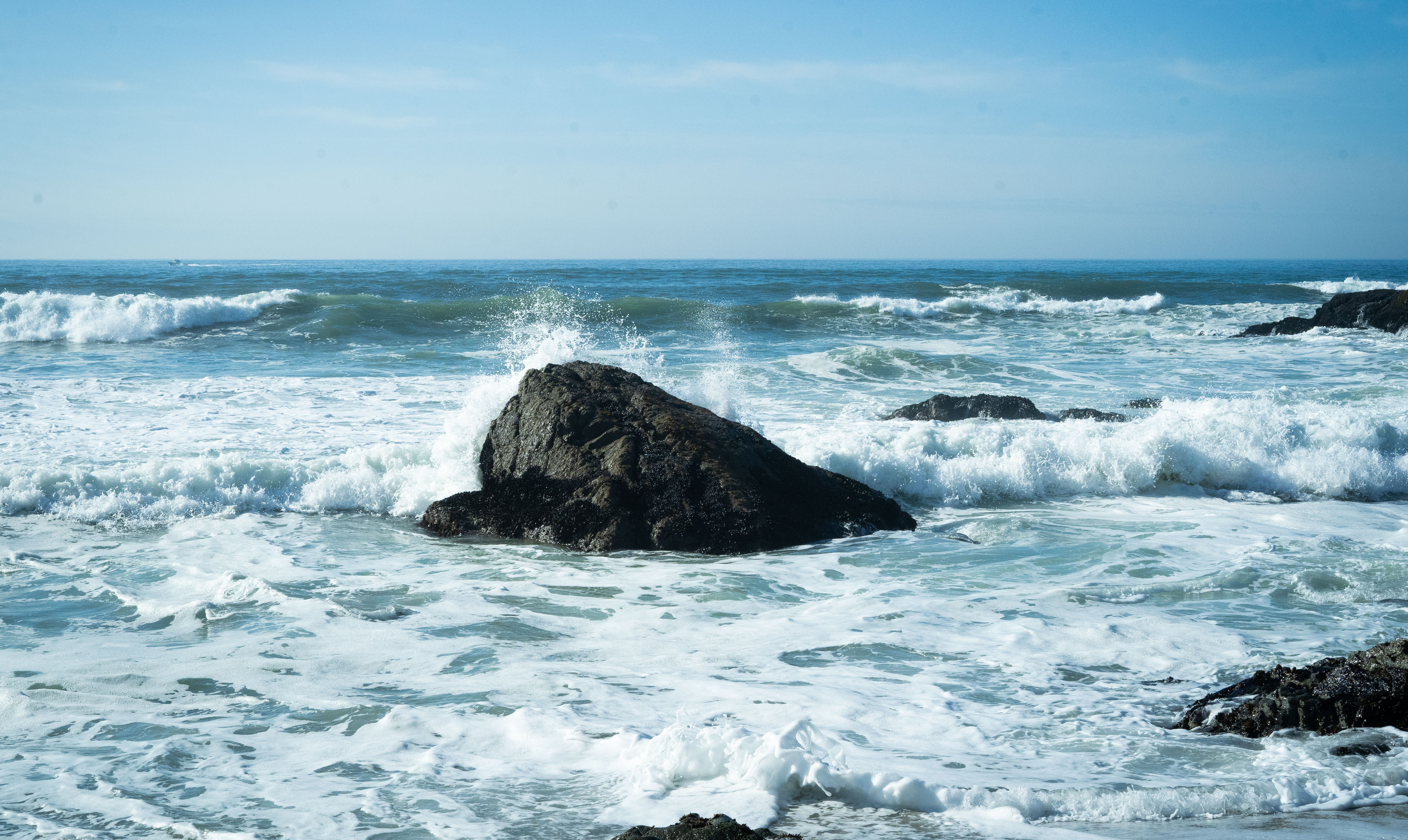
Bodega Bay in Sonoma County, CA 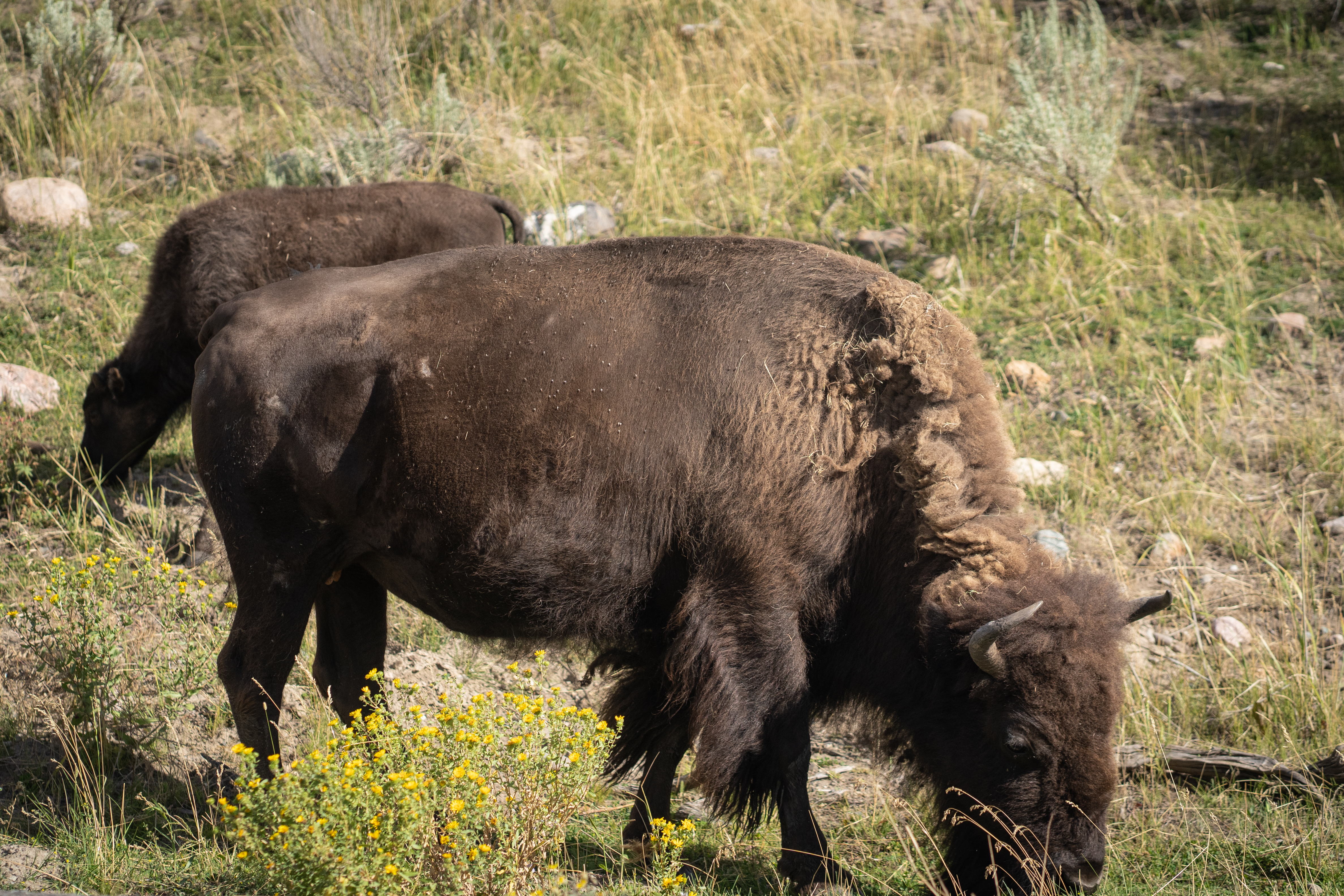
Bison Grazing in Yellowstone National Park, Wyoming 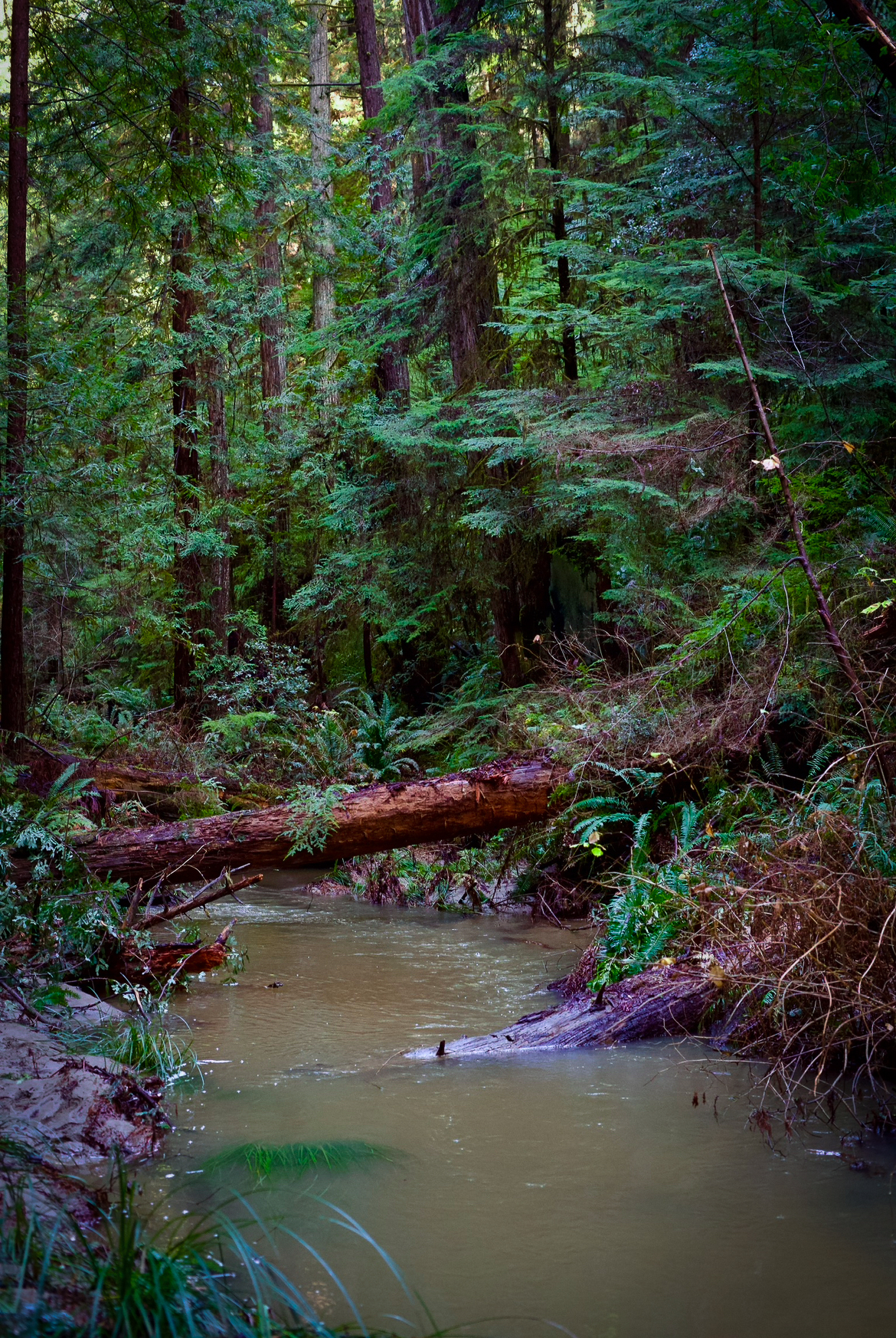
A hike in the Redwoods, Mendocino County, CA 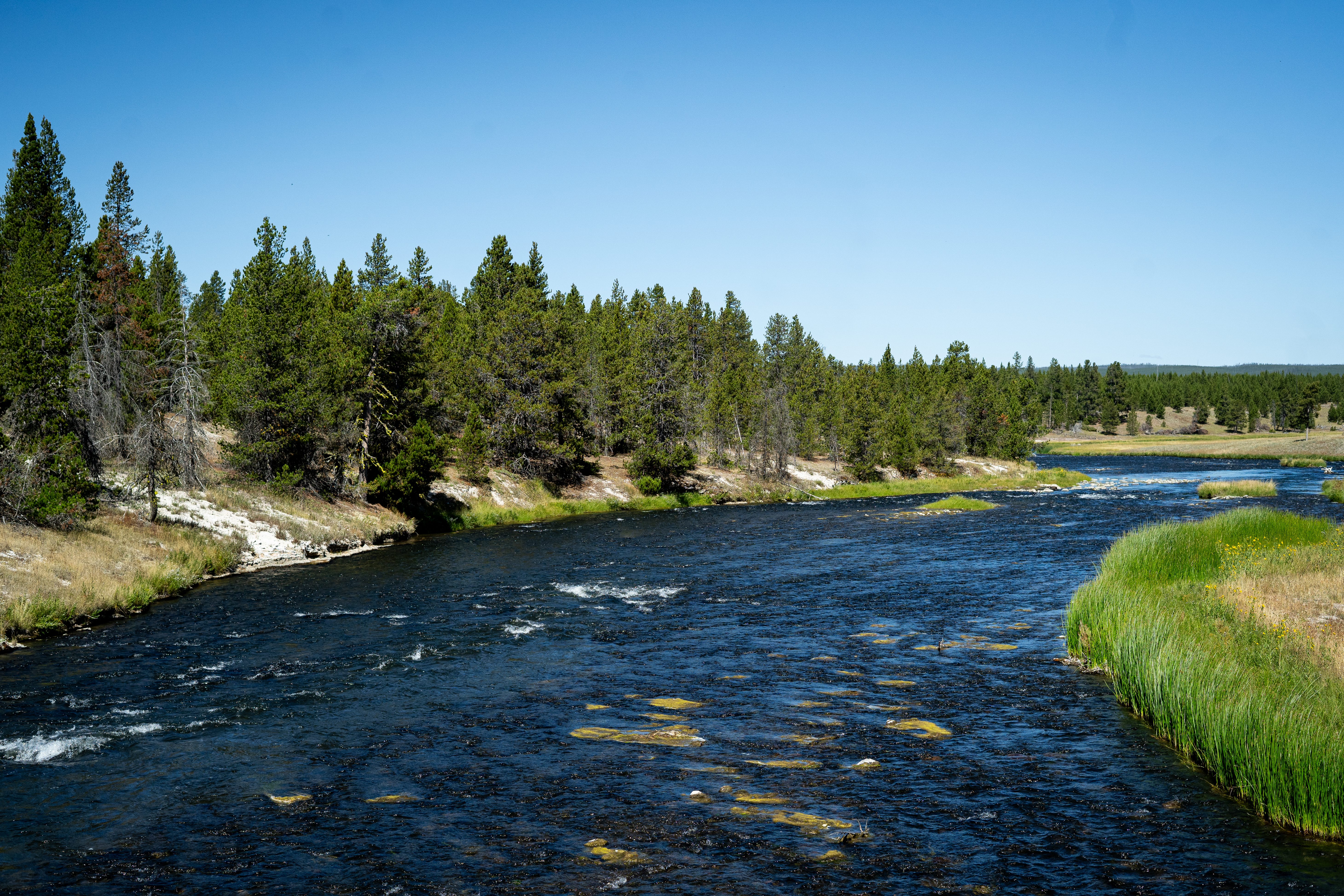
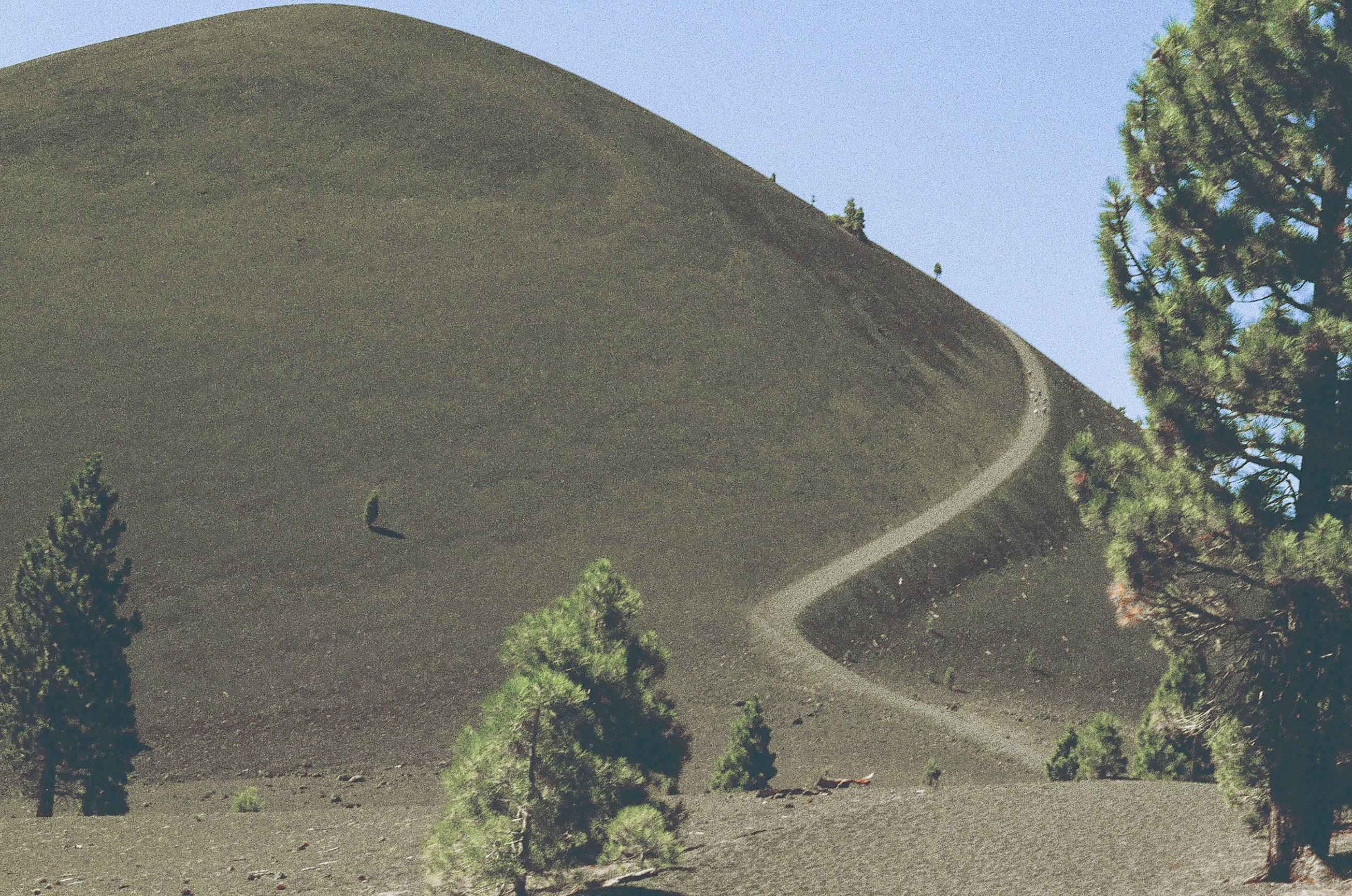
Cinder Cone Volcano in Lassen Volcano National Park, Lassen County, CA
As a journalist and concert photographer, I came into this project with experience using Adobe Photoshop for photo editing, color correcting and preparing images for publication. This lesson built on my previous knowledge and had me not think about Photoshop simply as a technical tool, but instead as a way to communicate ideas about environmental equity. Effective visual communication requires intentional and thoughtful composition, visual unity and storytelling.
One of the biggest inspirations for this project came from reflecting on my own relationship with nature. Today, I live in San Francisco and have easy access to beaches, redwood forests, coastal trails and public parks within minuts of my apartment. Having a car has also allowed me to explore places like the Oregon Coast, Yellowstone and The Grand Tetons, the Midwest, and other landscapes that have become some of my favorite photography subjects. The photo below was taken a mere half a mile from my home.
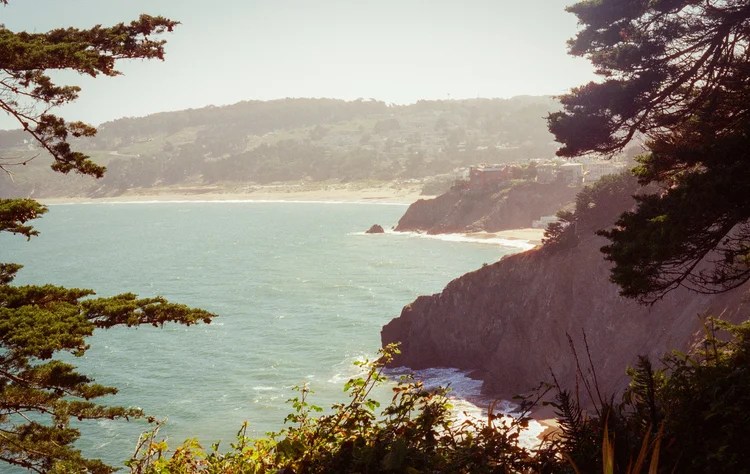
However, this is not universal. Research consistently shows that neighborhoods with lower incomes and higher proportions of Black and Latino residents have fewer parks, less tree cover, and lower environmental quality than wealthier, predominantly white neighborhoods. This is deliberate design. A 2024 study of more than 122,000 urban parks found that parks that served predominantly white neighborhoods tend to be cooler during hot summer months and have significantly more tree canopy than parks serving predominantly Black and Latino communities.
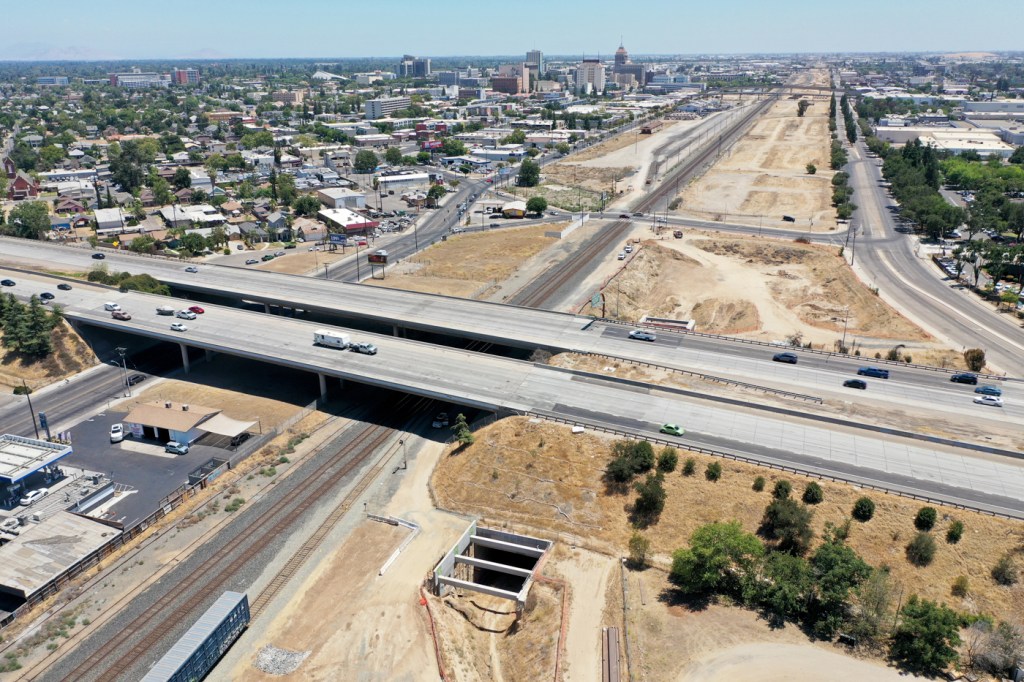
Growing up in a suburb of Fresno in California’s rural Central Valley, this was a reality for many. Fresno sits just a couple hours away from the Sierra Nevadas, Yosemite National Park, Sequoia National Park and the Central Coast. However, without reliable transportation, those landscapes become inaccessible. The city of Fresno and the surrounding communities are dominated instead by freeways, industrial corridors, and poor air quality (nearly a fifth of the population has asthma). Living close to extraordinary public lands does not necessarily mean having access to them. This realization inspired my Photoshop collage.
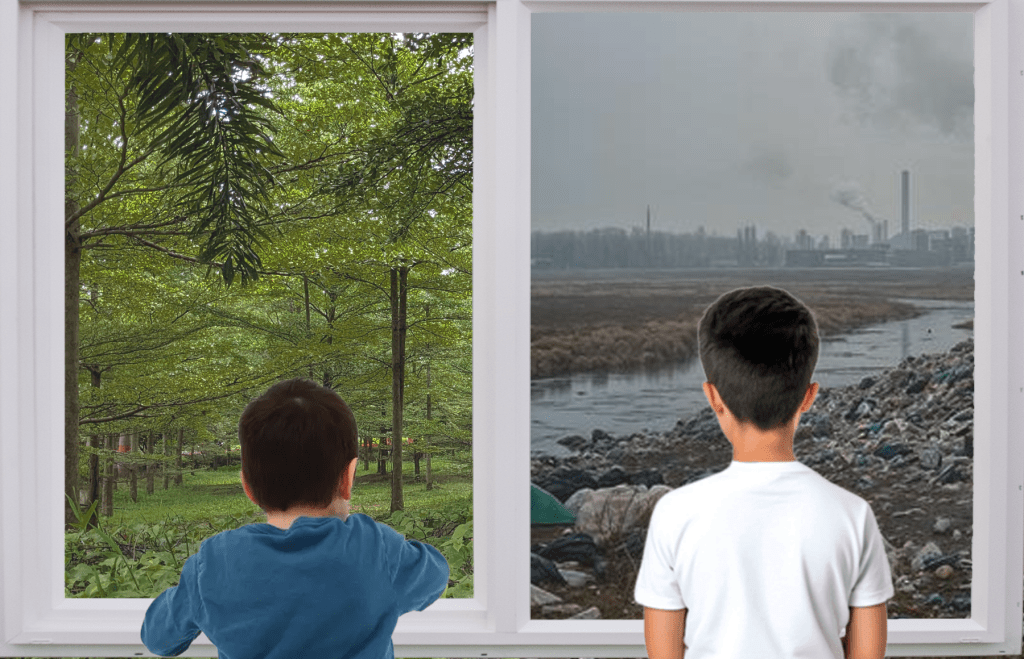
Using Photoshop’s selection and masking tools, I created a side-by-side composition (using creative commons photos) showing two children looking through separate windows. One window opens up to a vibrant forest, while the other overlooks pollution and degradation. Although the images are fictional, they represent ver real differences in environmental realities.
The composition intentionally applies several design principles discussed in our course module. The window frames create visual unity, while the contrasting landscapes establish a hierarchy. The placement of the children creates similarity but requires viewers to confront the differnt experiences.
This project reinforced the idea that visual storytelling can chronicle environmental injustice and environmental racism. In the future, I would like to continue exploring how photography can highlight who has access to nature and clean air and who does not. It prompted me to think of how Photoshop can serve a useful tool for conveying these ideas.
 EnvironmentalEquityProject
Leave a comment