I grew up in a small, rural town in California’s Central Valley surrounded by vineyards, freeways and factories. Despite its relevance, environmental education was not prioritized in our schools. We did not have any environmental science classes, outdoor education programs, or many nature-based field trips.
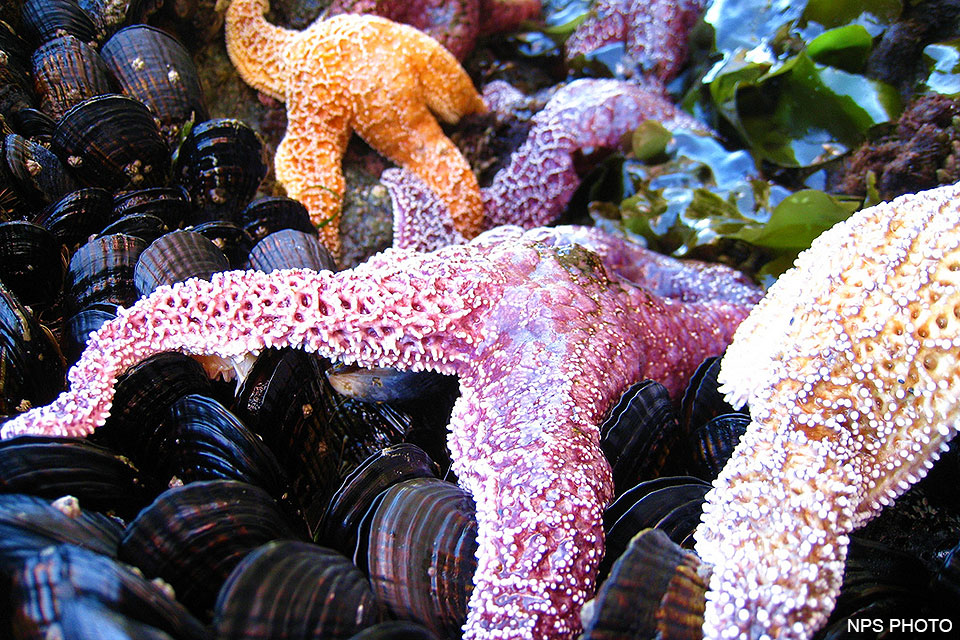
When I was twelve years old, my class took a field trip to the Central Coast to explore the tide pools. This experience has stayed with me since. Many of my classmates had never seen the ocean before despite living just a couple hours away.
At the time, I did not fully understand why that realization felt so significant to me. Looking back, though, I realize it was one of the first moments I thought about environmental access and opportunity. I was fortunate enough to have parents who had the means and made it a priority to take me outdoors. Throughout my childhood, we frequently visited Sequoia and Yosemite National Parks, the coast, and other natural areas throughout the state. Those experiences sparked my curiosity about ecosystems, wildlife, conservation and the ways people engage with the environment. I grew to feel like I belonged in outdoor spaces.
Not everyone has those opportunities.
Access to nature is shaped by factors such as socioeconomic background, school resources, geography and family circumstances.
Environmental education plays an important role in addressing these disparities. Research has shown that environmental learning opportunities can improve academic outcomes, strengthen critical thinking and help students develop stronger connections to their communities and the natural world. These experiences can also foster a sense of stewardship, teaching young people to understand how environmental issues impact their lives and how they can contribute to solutions.
Yet access to environmental education is not distributed equally. Schools serving low-income communities often face funding limitations that do not allow them to take field trips or offer specialized science coursework. These same communities experience disproportionate environmental burdens such as increased exposure to air pollution, industrial development, extreme heat and other environmental hazards.
This reality creates a troubling contradiction: the communities most impacted by environmental inequality are often the same ones with the fewest opportunities to engage with environmental education.
Environmental equity and justice recognizes that everyone should have fair access to clean air, clean water, green spaces and educational opportunities regardless of race, income or geographic location.
Throughout the course this summer, I want to examine these issues through the lens of environmental education, access and belonging. I am particularly interested in examining how school systems influence environmental literacy, how communities experience environmental inequities and what emerging research tells us about building more inclusive pathways into environmental stewardship and work. How do early experiences in nature shape the way people view the environment throughout their lives? Without opportunities to connect with the natural world, learn about environmental issues or see themselves reflected in conservation efforts, it becomes much harder to cultivate a sense of belonging or responsibility toward protecting those spaces.
The Environmental Equity Project will use a combination of storytelling and emerging research to examine these questions throughout the summer. By exploring the connection between environmental education, justice and stewardship, I hope to better understand how we can create more equitable opportunities for everyone to engage with and care for the natural world around them.
 EnvironmentalEquityProject
Leave a comment